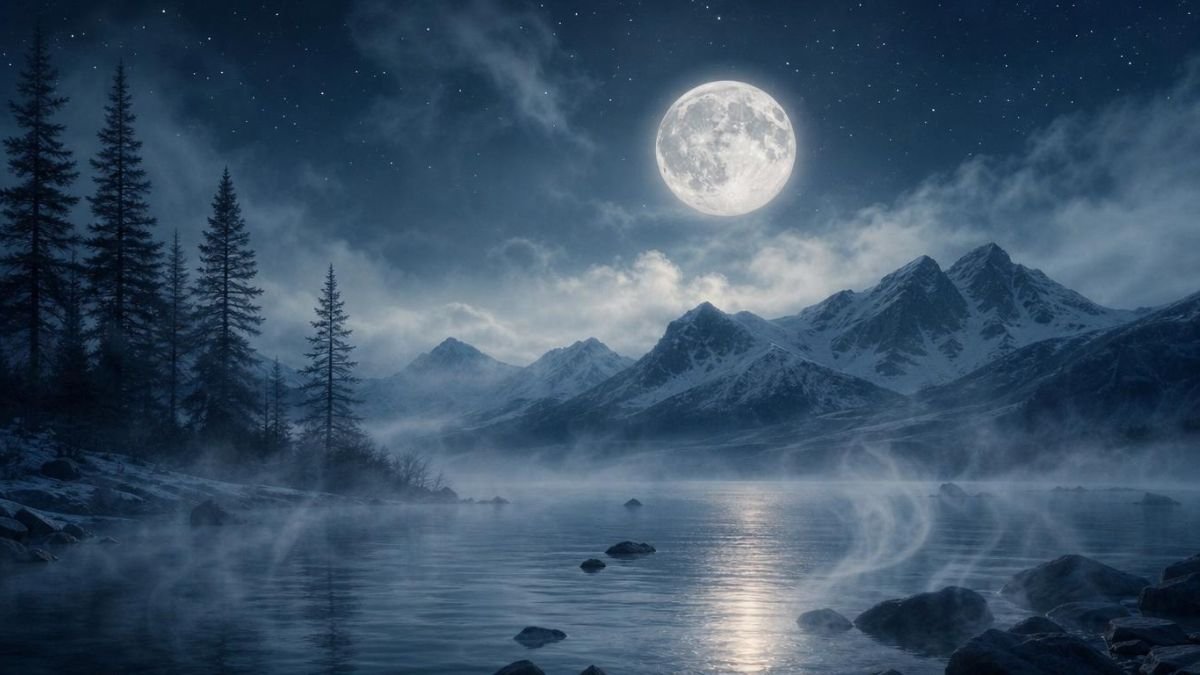
What if the reason it's beautiful is the very reason it can't last?
We reach for this word, ephemeral, when something lovely is slipping away from us. A perfect evening. A season of our lives. A mood in a room that we know, even as we're standing in it, we will never quite have again. Ephemeral. It sounds like what it means — soft, almost weightless, a word that seems to be leaving even as you say it.
But I want to take you to where it comes from, because the origin is more beautiful than the word itself. Ephemeral comes from the Greek. Epi, meaning on or for, and hemera, meaning day. For a day. That's the whole word. Ephemeral means lasting only a single day.
There's even a creature named after it. The mayfly. Its scientific order is Ephemeroptera — the day-winged ones. Some of them live, in their final adult form, for a single day. A few, for only hours. They rise from the water, they take flight, they mate, and they're gone before the sun sets on the day they were born. Their entire adulthood is one afternoon of light.
And when I first learned that, I thought — how unbearably sad. A whole life, one day long. But the longer I sat with it, the more it turned over in my hands and became something else. Because here's the question the mayfly quietly asks you. Is a single day of flight not worth having, simply because it's only a day? Would you tell the mayfly it shouldn't have bothered? That because the light wouldn't last, it should have stayed in the dark water forever, safe and unborn?
We do that, you know. To ourselves. We hold back from things because they won't last. We refuse to love the summer because autumn is coming. We hesitate at the edge of a joy because we already know it will end, and we think, somehow, that not fully having it will hurt less than having it and losing it. We try to protect ourselves from the ending by refusing the beginning.
But the word ephemeral has been trying to tell us something the whole time. It doesn't describe things that are worthless because they're brief. It describes some of the most precious things there are. A sunrise is ephemeral. A newborn's first laugh is ephemeral. The particular light of a particular October afternoon that will never come again in exactly that way — ephemeral. The word doesn't attach itself to the cheap and the disposable. It attaches itself to the fleeting and the beautiful, over and over, as if the two were somehow the same thing.
And maybe they are. Maybe that's the secret. Maybe the fleeting-ness isn't a flaw in the beauty. Maybe it's part of it.
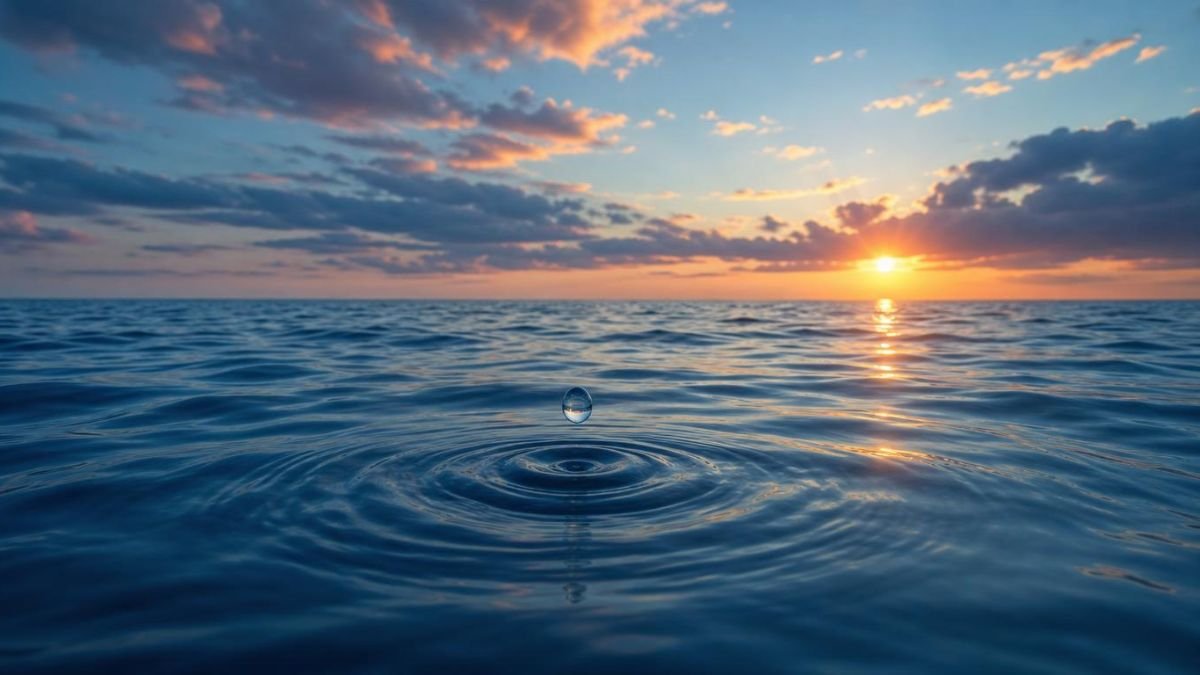
Think about it honestly. Would a sunset be as beautiful if it lasted all day? If the sky held that exact color from morning to night, every day, forever, would you still stop what you were doing to look at it? Or would it become wallpaper — background, ignored, the way we ignore everything that's always there? Part of why the sunset moves you is that you know it's leaving. You are watching something you cannot keep. The clock is inside the beauty. The ending is part of what makes you stop and look.
There's a whole philosophy of this in Japanese aesthetics — the idea of mono no aware, the gentle sorrow of things passing, and the cherry blossom as its perfect image. The Japanese don't celebrate the cherry blossom because it lasts. They celebrate it because it doesn't. It blooms for a week, maybe less, and then a wind comes and the petals fall like snow, and it's over. And people gather beneath those trees precisely then, in that brief window, precisely because it won't wait for them. The falling is not the tragedy of the blossom. The falling is the point.
So here's what I've come to believe about the ephemeral. The permanence we're always wishing for would actually ruin the things we love. If your best friend would live forever, guaranteed, no ending ever — you would take a thousand evenings with them for granted. It's the fact that the number is finite, and unknown, that makes any single one of those evenings sacred. It's the ending that gives the middle its weight.
I don't say this to make peace with loss too easily. Losing what we love is genuinely painful, and I won't pretend the mayfly's one day doesn't ache. But there's a difference between the pain of loss and the fear of it. The pain comes after. The fear comes before, and it steals the thing while it's still here. Fear of the ending makes us hold everything at arm's length, so we're never fully in the day we've been given. And that's the real tragedy — not that the beautiful things are ephemeral, but that we let their ephemerality talk us out of fully having them.
The mayfly does not spend its one day mourning that it won't have a second. It flies. It uses the whole afternoon of light it was given. And then it's gone, having missed none of it.
So maybe the word is not a lament. Maybe it's an instruction. Ephemeral. For a day. As if to say: this is only for a day, so be here for the day. Don't spend the light grieving that it's leaving. Don't waste the summer bracing for the fall. The blossom is falling anyway, whether you look up or not — so look up.
Everything you love is ephemeral. Every single thing. The people, the seasons, the version of your life you're living right now that will never come back in exactly this shape. And the word isn't asking you to be sad about that. It's asking you to notice it. To let the brevity sharpen the sweetness instead of souring it.
So here's what I'll leave you with. Think of something in your life right now that you know is temporary — a season, a stage, a closeness, a light that you can already feel starting to change. And instead of asking how you can make it last, ask the harder, better question: are you actually here for it, while it lasts? Or are you already so busy mourning that it's leaving, that you're missing the one day you were given to fly?
0 Comments